Contact us: +91 90437 94263 | sales@msbdataanalytics.com

ERP Solutions Tailored for the Mechanical Seals Manufacturing Industry

"Our industry-specific ERP solution is designed to streamline mechanical seals production, improve accuracy, enhance quality control, and optimize material management. From design to dispatch, every stage is automated for maximum efficiency and faster delivery."

Design & Engineering | Production Workflow | Material Management | Quality Control | Costing & Accounts
Industries We Serve

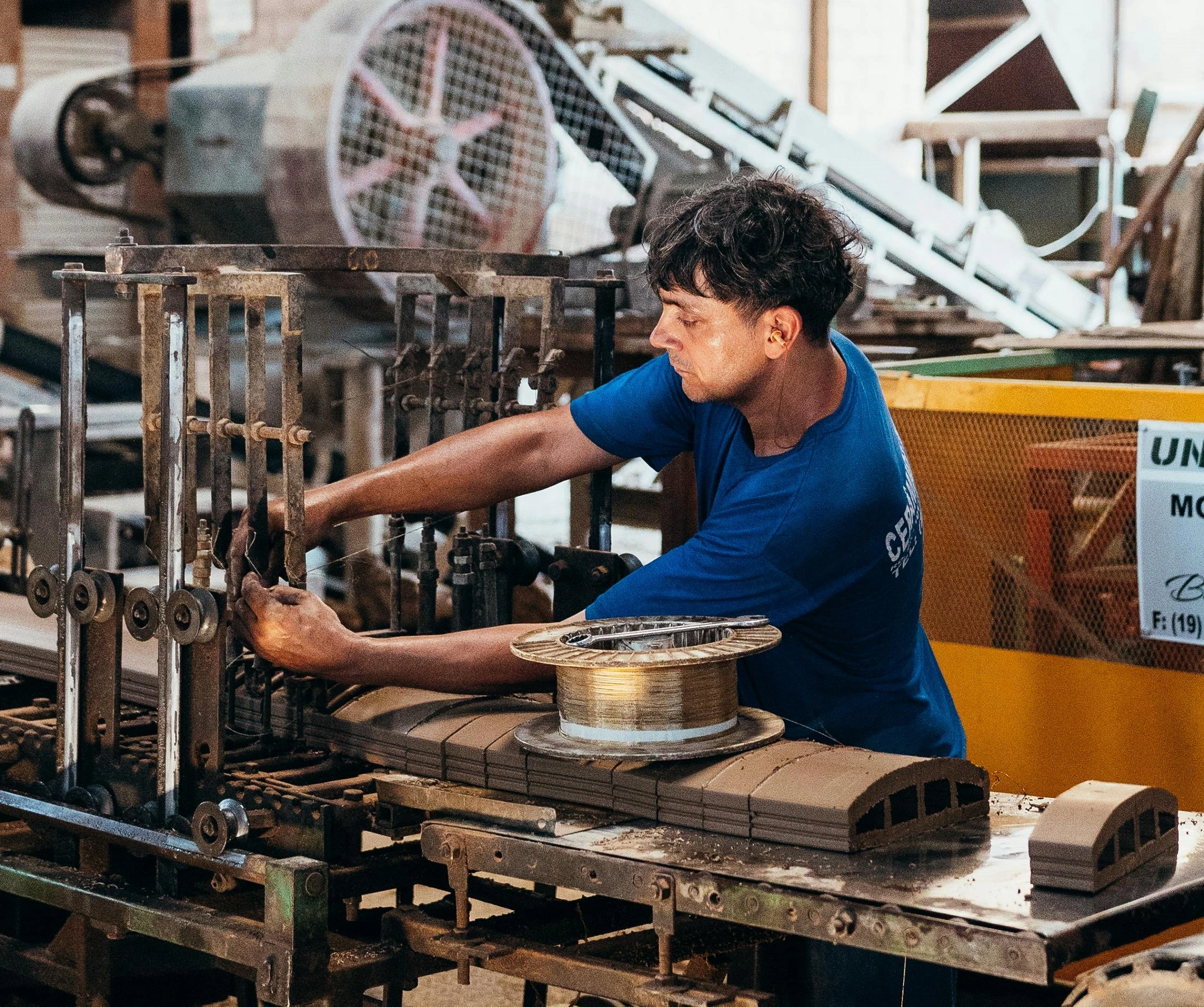
Seals Manufacturing

Empower your seals manufacturing business with our IFS-Supply ERP. Gain complete visibility into your production workflows, raw material tracking, mold management, machining processes, quality inspection, and dispatch operations — all with real-time accuracy to improve efficiency and reduce downtime.

Request a Demo
ERP Software on Multiple Devices

Optimize Manufacturing and Inventory with Our ERP for Mechanical Seals

Our ERP solution is designed to meet the unique demands of the mechanical seals industry. From managing complex manufacturing processes to ensuring precise inventory control, our system streamlines your entire workflow. Gain real-time visibility into production stages, track materials efficiently, and manage quality assurance seamlessly. With tailored modules for inventory tracking, order processing, and production management, our ERP ensures that you can meet customer demands promptly while minimizing waste and maximizing productivity.

Key Success Factors for Mechanical Seals Manufacturing with ERP

Automated Design and Configuration

Create custom mechanical seals with ease by choosing from a library of materials, geometries, and specifications. The software automatically generates optimal design configurations.

Material Selection and Testing

Select the best materials based on specific operational conditions like pressure, temperature, and chemical compatibility.

Enhanced Quality Control

Maintain high standards with integrated quality checks and compliance tracking, catching issues early to ensure every product meets industry and client expectations.

Data-Driven Decision Making

Access insightful data and analytics, empowering you to make informed decisions that drive continuous improvement and business growth.

Key Modules & Features For Mechanical Seals

Why Industries Choose MSB

Grow Your Business with Confidence

Whether you're a startup looking to standardize operations or a global enterprise optimizing supply chains and analytics, MSB’s solutions are built to scale with your business. Book a demo and talk with our industry experts today.

FAQ! Need Help?

What is ERP for the Mechanical Seal Production Industry?

+

ERP (Enterprise Resource Planning) for mechanical seal production is a software system designed to integrate all core operations—from design, material procurement, and production scheduling to quality control and delivery. In the mechanical seal industry, ERP centralizes data across departments, automates workflows, and provides real-time insights into inventory, labor, and production. By enhancing traceability and optimizing resources, ERP helps mechanical seal manufacturers meet industry standards, maintain consistent quality, and improve overall efficiency.

What Challenges Do Mechanical Seal Manufacturers Face, and How Does ERP Address Them?

+

Mechanical seal manufacturers face unique challenges, such as managing complex production processes, meeting strict quality standards, and optimizing inventory to avoid costly delays. Here’s how ERP can help:

  • Inventory Optimization: ERP systems enable real-time inventory tracking, ensuring that essential materials are available without the risks of overstocking. This reduces inventory costs and improves supply chain efficiency.
  • Enhanced Production Efficiency: With ERP, manufacturers can optimize production schedules and automate workflows, minimizing downtime and improving consistency in output. This efficiency supports timely order fulfillment and reduces production bottlenecks.
  • Quality Control: ERP solutions support quality management with automated checks and comprehensive documentation, helping manufacturers comply with industry standards and efficiently trace any issues that arise.
  • Customer Demand and Customization: ERP systems provide real-time data, allowing manufacturers to respond quickly to custom orders and changing market demands. This reduces lead times, enhances flexibility, and improves overall customer satisfaction.

How Long Does It Take to Implement ERP for Mechanical Seal Manufacturing?

+

The implementation timeline for ERP in the mechanical seal industry varies depending on the complexity of operations and specific customization needs. Typically, a basic ERP implementation can take 3-6 months, while a more complex, customized solution may take 6-12 months. Factors influencing the timeline include data migration, integration with existing systems, and user training. Investing time in thorough planning and training ensures a smoother transition and maximizes ERP's long-term benefits for the production process.

What Should You Look for When Choosing the Best ERP for Mechanical Seal Production?

+

  • Industry-Specific Features: Look for ERP systems with modules tailored for manufacturing, quality control, and compliance, as these are critical in mechanical seal production.
  • Scalability and Flexibility: Choose an ERP that can adapt to business growth and changing industry demands, ensuring it remains useful as your company evolves.
  • Integration Capabilities: Ensure the ERP integrates seamlessly with existing systems and machinery, allowing for smooth data flow across the organization.
  • User-Friendly Interface and Support: An intuitive interface and dedicated support are essential for training employees and troubleshooting issues, promoting successful adoption and efficient use.
  • Cost and ROI: Evaluate the total cost of ownership, including maintenance, and assess how the ERP system will deliver a strong return on investment by improving productivity and reducing operational costs.